
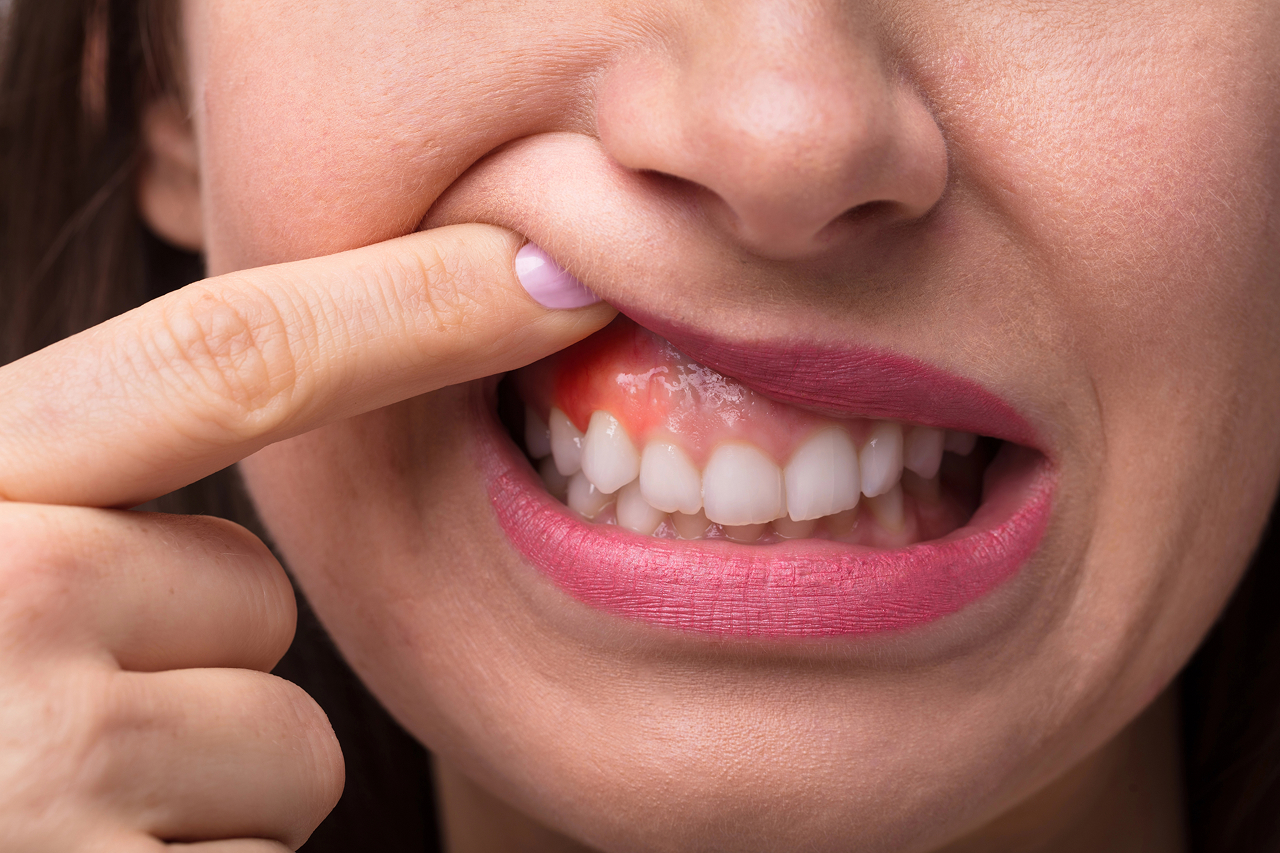
Bleeding gums are often dismissed as a minor inconvenience, yet they are rarely a random occurrence. Even slight bleeding can signal subtle changes in your oral environment—shifts in bacteria, gum tissue integrity, or immune response—that most people overlook. Understanding when gum bleeding is harmless and when it indicates an underlying issue is critical, as early recognition can prevent more serious oral and systemic health problems before they quietly escalate.
Understanding Gum Health: Healthy Gums vs Bleeding Gums
Healthy gums are often taken for granted—they are firm, pale pink, and snugly fit around each tooth. What is seldom discussed is that gums are not just passive tissue; they actively defend against bacteria and respond to subtle changes in the mouth. Bleeding gums, even when occasional, indicate that this natural defense is being challenged.
Not all bleeding is equal. Gentle bleeding from flossing may result from minor irritation, but persistent or spontaneous bleeding signals inflammation or early tissue breakdown. Observing texture, color, and how gums respond to brushing or pressure can reveal hidden problems long before pain appears. Recognizing these early differences is essential for preventing more serious gum and dental issues.
Common Causes of Bleeding Gums in Adults
Bleeding gums are a common concern, yet the reasons behind them are often misunderstood. While some causes are obvious, others are subtle and rarely discussed. Understanding these factors can help adults take early steps to protect their oral health.
- Brushing and Flossing Habits: Many people assume that bleeding during brushing or flossing is normal, but technique plays a major role. Overly aggressive brushing or snapping floss between teeth can irritate delicate gum tissue. Conversely, skipping flossing for long periods can allow plaque to build up along the gumline, making gums more prone to bleeding when they are finally disturbed.
- Gingivitis and Early Gum Disease: One of the most common yet overlooked causes is gingivitis, the earliest stage of gum disease. Inflamed gums may appear red or swollen, and bleeding can occur even with gentle brushing. What is rarely discussed is that this stage is fully reversible if addressed early, but ignoring it allows bacteria to penetrate deeper, leading to more serious periodontal issues.
- Hormonal Changes: Hormonal fluctuations—such as those during pregnancy, menopause, or menstrual cycles—can make gum tissue more sensitive and reactive. Many adults are unaware that these temporary changes can trigger bleeding even with normal oral care.
- Medications and Medical Conditions: Certain medications, including blood thinners and some blood pressure or heart medications, can make gums more prone to bleeding. Additionally, conditions like diabetes or immune system disorders can affect gum health by altering tissue repair and bacterial defense.
- Nutritional Deficiencies: Low levels of vitamin C, vitamin K, or other key nutrients can weaken gum tissue. Chronic deficiencies may not only make gums bleed more easily but also slow healing and reduce the effectiveness of routine oral care.
- Lifestyle Factors: Smoking, excessive alcohol consumption, and chronic stress all compromise gum health. Smoking reduces blood flow to gum tissue, limiting its ability to repair itself, while stress and poor sleep can reduce immune response, making inflammation more likely.
- Hidden Dental Issues: Even seemingly minor issues, like poorly fitting dental work or misaligned teeth, can create areas where plaque accumulates, irritating gums and causing localized bleeding.
Understanding these causes can help adults distinguish between occasional irritation and a signal of deeper oral health concerns, enabling earlier intervention before more serious problems develop.
Understanding the Risks of Ignoring Bleeding Gums
Bleeding gums are rarely just a cosmetic issue—they signal that gum tissue is under stress. Ignoring persistent bleeding allows bacteria to thrive beneath the surface, gradually damaging the tissue and bone that support teeth. Over time, this can progress from reversible gingivitis to periodontitis, a stage where the structural integrity of teeth is compromised.
What’s seldom discussed is the connection between chronic gum inflammation and overall health. Persistent bleeding and infection can subtly affect the immune system, contribute to systemic inflammation, and even increase the risk of conditions like heart disease or diabetes complications. Early attention to bleeding gums helps prevent both localized damage and broader health consequences.
Preventing and Managing Gum Bleeding at Home
Managing gum bleeding begins with gentle but consistent care. Brushing with a soft-bristled toothbrush and using small, circular motions reduces irritation while effectively removing plaque. Flossing should be gradual and careful to avoid snapping the thread between teeth. What many adults overlook is the role of saliva—staying hydrated helps naturally wash away bacteria and neutralize acids.
Diet also plays a subtle role: reducing sugar and acidic foods supports gum resilience, while vitamin-rich foods, especially those high in vitamin C and K, strengthen tissue. Stress management and adequate sleep further support the immune system, making gums less prone to inflammation. Even small, consistent changes in daily habits can significantly reduce bleeding and maintain healthy gums over time.
When to See a Dentist for Bleeding Gums
Not all gum bleeding requires immediate alarm, but certain patterns should prompt a professional evaluation. Persistent or recurring bleeding, bleeding without provocation, or bleeding that worsens over time can indicate underlying gum disease or systemic issues. If you notice swelling, tenderness, or changes in gum color, it’s a clear signal to schedule a visit. Adults with chronic conditions like diabetes or those taking medications that affect blood clotting should be especially attentive. Even occasional bleeding during routine care can reveal early-stage problems that are easier to treat when caught promptly, preventing more serious complications down the line.
Conclusion
Bleeding gums are more than a minor inconvenience—they are a signal that your oral health may need attention. Even occasional or mild bleeding can indicate early inflammation, nutrient deficiencies, or the beginnings of gum disease. Paying attention to these signs and taking proactive steps at home can help maintain healthy gums, but professional evaluation ensures issues are addressed before they progress.
If you notice persistent or unexplained gum bleeding, don’t wait for discomfort to appear. Visit us or call 505-888-2606 to schedule an appointment and protect your smile, your oral health, and your overall well-being.