
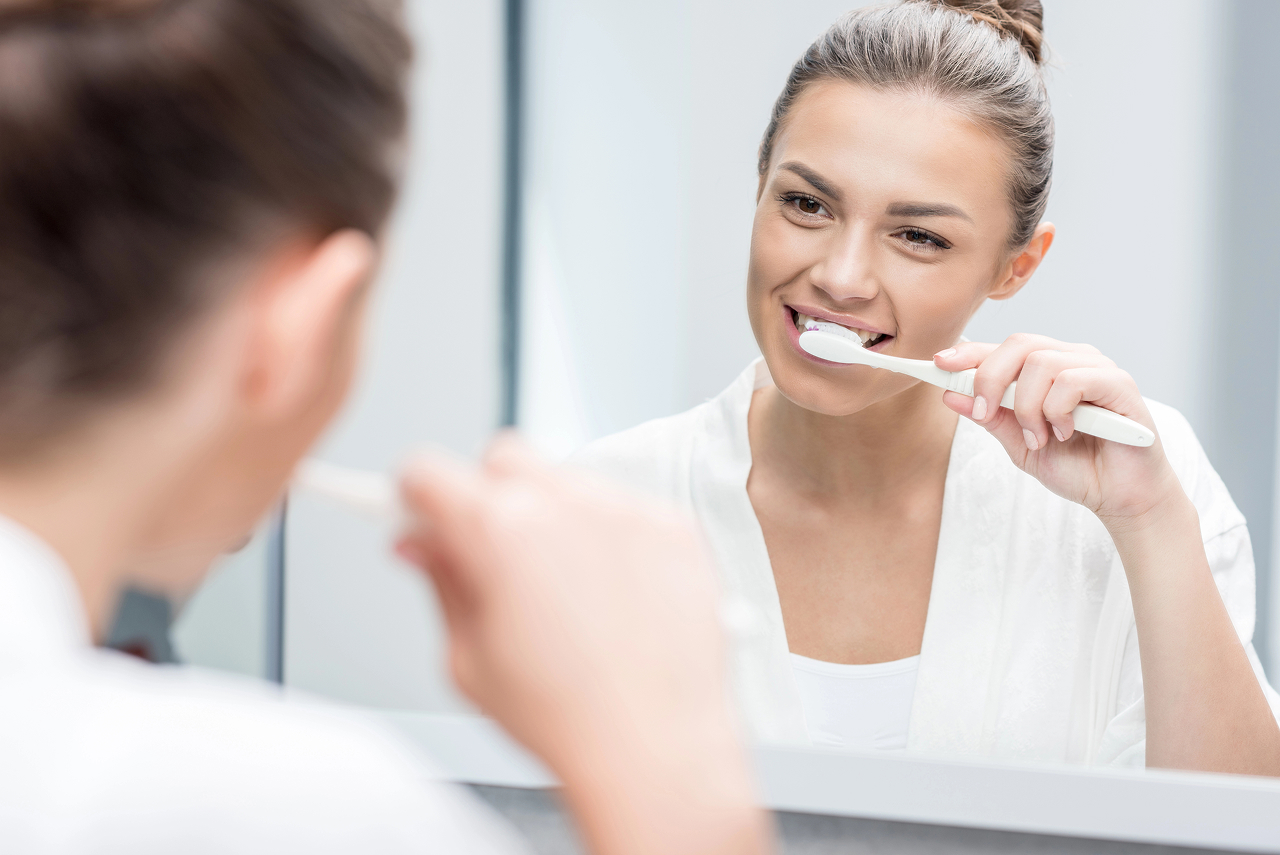
Most people replace their toothbrush only when it looks worn, not realizing that its effectiveness declines long before bristles visibly fray. A toothbrush doesn’t fail all at once—it slowly loses its ability to disrupt plaque, massage the gums, and protect enamel. Understanding how often you should replace your toothbrush isn’t about following a rule; it’s about maintaining the daily tool your oral health depends on most.
How Often Dentists Say You Should Replace Your Toothbrush
Dentists generally recommend replacing your toothbrush every three months, but that guidance is based on more than just bristle wear. Over time, brushing pressure, toothpaste abrasives, and daily moisture change the shape and flexibility of the bristles in ways that aren’t always visible. Even when a toothbrush looks fine, it may no longer reach into the small grooves and curves where plaque collects. Research also shows that older toothbrushes retain bacteria despite regular rinsing, which can quietly reintroduce microbes into the mouth. Replacing your toothbrush on a consistent schedule helps ensure that each brushing session is actually cleaning your teeth, not just going through the motions.
What Happens If You Don’t Replace Your Toothbrush Often Enough
When a toothbrush is kept too long, the problem isn’t just bacteria—it’s loss of precision. Worn bristles bend away from the gumline, where plaque is most active, allowing buildup to harden unnoticed. An aging toothbrush can also encourage heavier brushing pressure as people subconsciously try to “make it work,” which may irritate gums and wear enamel. Over time, this combination can lead to more inflammation, sensitivity, and even small areas of decay between dental visits. An old toothbrush often gives a false sense of cleanliness, while quietly allowing problems to develop beneath the surface.
Signs You Need a New Toothbrush Sooner Than Expected
Even if you’ve only had your toothbrush for a few weeks, certain signs indicate it’s no longer doing its job properly. Paying attention to these can help protect your teeth and gums before problems start.
- Frayed or Bent Bristles
Bristles that splay outward or bend easily may look minor, but they dramatically reduce cleaning efficiency. Frayed bristles can’t reach between teeth or along the gumline, allowing plaque and bacteria to accumulate. - Discoloration or Staining
Toothbrushes often develop subtle stains from toothpaste, food, or even water minerals. Discoloration can signal buildup of bacteria or mold, especially near the base of the bristles where moisture lingers. - Persistent Bad Breath
If brushing no longer seems to freshen your breath, your toothbrush could be harboring bacteria that counteract your efforts. A toothbrush can accumulate microbes faster than you realize, particularly in humid bathrooms. - Gum Sensitivity or Bleeding
Sudden gum irritation after brushing can mean your toothbrush is losing effectiveness, forcing you to brush harder. Over time, this extra pressure can inflame gums and even damage enamel. - Unusual Taste in Your Mouth After Brushing
A metallic or sour taste after brushing may indicate bacterial buildup on your toothbrush. Even well-rinsed bristles can retain compounds that affect taste and oral balance. - Chewing or Biting on the Toothbrush
Children or even some adults may chew bristles, which weakens them and reduces their cleaning power. If bristles are compressed or uneven, it’s time to replace the toothbrush regardless of age. - After Illness
Cold, flu, or other infections can leave bacteria and viruses on toothbrush bristles. Continuing to use the same brush can reintroduce germs into your mouth, prolonging recovery or causing reinfection. - Uneven Bristle Wear
Brushing habits, like favoring one side of the mouth, can create uneven bristle wear. This uneven surface reduces effectiveness in some areas while leaving others over-brushed, leading to gum irritation or enamel wear. - Unpleasant Smell from the Toothbrush
A faint odor that persists despite rinsing is a sign of bacterial or fungal growth. Even if the toothbrush appears clean, it may no longer be safe to use. - Electric Toothbrush Head Loosening or Wearing Out
For electric toothbrushes, worn or loose heads reduce brushing power and can irritate gums. Heads should be replaced as soon as they show any signs of wear rather than sticking strictly to a schedule.
Recognizing these subtle but important signals ensures your toothbrush is actively protecting your teeth and gums rather than allowing problems to develop unnoticed.
Manual vs. Electric Toothbrushes: Does Replacement Frequency Change?
The type of toothbrush you use can slightly change how often it needs replacement. Manual toothbrushes rely entirely on bristle integrity, so worn or bent bristles quickly reduce cleaning effectiveness. Electric toothbrush heads, on the other hand, face constant motion and pressure from the motor, which can cause bristle fatigue even sooner than a manual brush in some cases. Additionally, worn electric heads may not maintain consistent contact with teeth and gums, reducing plaque removal. Both types still need regular replacement—roughly every three months—but electric heads sometimes benefit from earlier swaps if bristles appear frayed, misshapen, or if brushing feels less powerful than usual.
How Toothbrush Replacement Supports Long-Term Dental Health
Regularly replacing your toothbrush does more than keep teeth visibly clean—it preserves the effectiveness of daily oral care. Fresh bristles remove plaque more efficiently, helping prevent cavities, gum inflammation, and tartar buildup over time. Consistent replacement also reduces the risk of reintroducing bacteria and viruses into your mouth, which can otherwise contribute to chronic gum irritation or infection. For individuals with sensitive gums, restorations, or implants, maintaining an optimal toothbrush ensures gentle yet thorough cleaning, protecting delicate areas. Over months and years, this small habit supports healthier gums, stronger enamel, and a reduced need for extensive dental procedures, turning a simple toothbrush swap into a cornerstone of long-term oral health.
Common Toothbrush Replacement Myths Debunked
Many people follow habits around toothbrush replacement that aren’t actually supported by dental research. Understanding the facts helps maintain better oral health:
- “If it looks fine, it’s still good”
Bristles can lose effectiveness before they appear worn, reducing plaque removal even when the brush looks new. - “You can disinfect a toothbrush instead of replacing it”
Rinsing or soaking in mouthwash doesn’t restore worn bristles or fully eliminate bacteria embedded in the base. - “Electric toothbrushes never need replacing”
Even powered heads wear down, and motorized movement can mask subtle bristle fatigue that reduces cleaning efficiency. - “Only children’s toothbrushes need frequent changes”
Adults also face bristle wear and bacterial buildup; everyone benefits from regular replacement. - “Replacing more often than every three months is unnecessary”
Bristle condition, illness, or heavy use can make earlier replacement necessary for optimal oral health.
Conclusion
Replacing your toothbrush regularly is a simple habit that has a profound impact on your oral health. Fresh bristles remove plaque effectively, protect your gums, and reduce the risk of bacteria buildup that can lead to cavities or infections. Paying attention to subtle signs—frayed bristles, changes in brushing effectiveness, or post-illness use—ensures your toothbrush is working as hard as you are to maintain a healthy smile. Make toothbrush replacement a consistent part of your routine, and your teeth and gums will thank you for years to come. For personalized guidance on oral hygiene or any dental concerns, visit High Desert Dental or call 505-888-2606 to schedule an appointment today.