
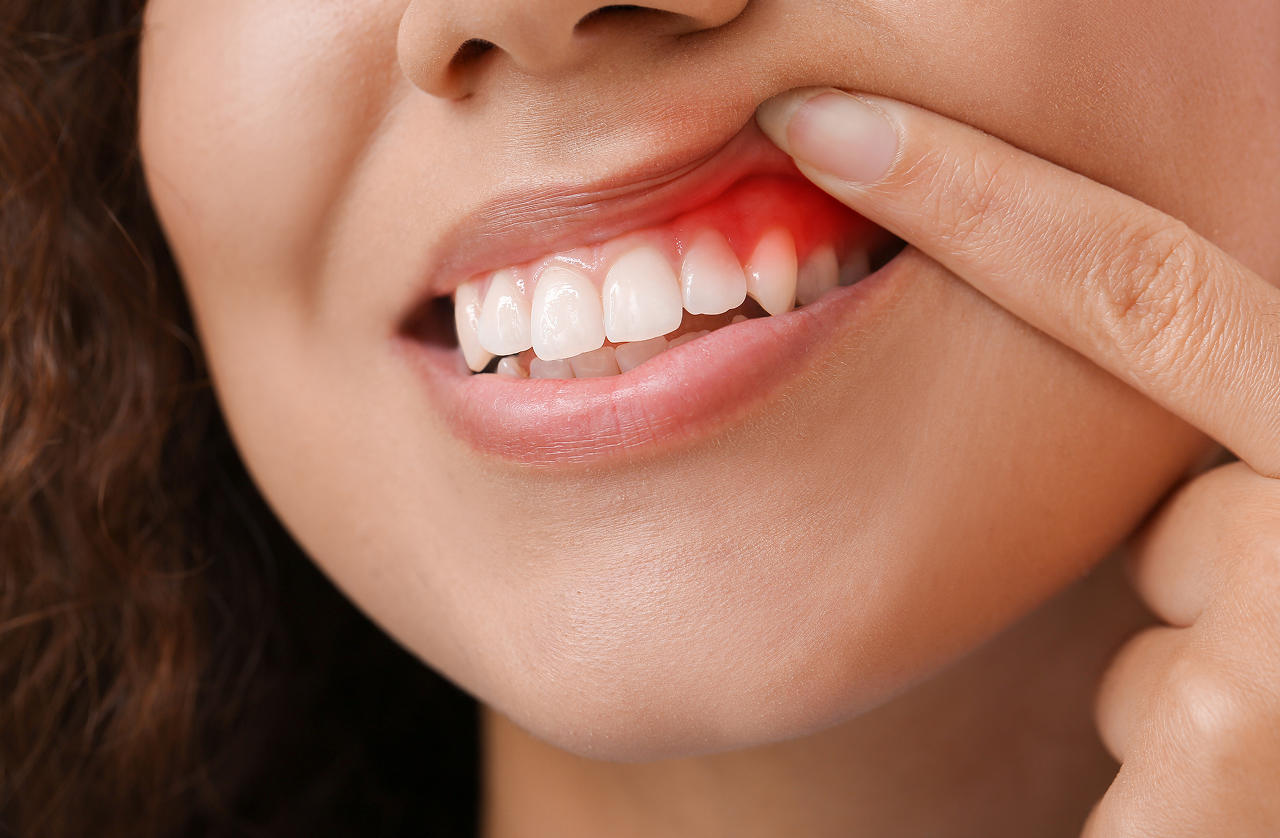
Gum disease doesn’t usually begin with obvious pain, it begins with a shift in balance between bacteria and gum tissue that is easy to miss in daily life. What makes it particularly important is that the earliest stage is less about visible damage and more about how the gums respond to constant, low-grade irritation. Over time, this quiet inflammation can move from a reversible condition to one that affects the structures supporting the teeth, often without clear warning until later stages.
How Gum Disease Starts in the Mouth
Gum disease begins when a thin layer of plaque builds up along the gumline and is not fully removed. What is often overlooked is that this plaque is not just a passive film, it is an active bacterial environment that constantly signals the gums to react. The body’s response is what creates early inflammation, not the bacteria alone. At first, this reaction is subtle and may not cause discomfort, but it changes how the gums behave at a microscopic level. Blood vessels become more reactive, and the tissue starts to swell slightly in response to everyday brushing and chewing. Over time, this ongoing irritation can shift from a temporary response into a persistent condition that becomes harder to reverse.
Gingivitis vs Periodontitis: Understanding the Progression
Gingivitis and periodontitis are often described as two separate conditions, but they are better understood as different points along the same process. Gingivitis is the early stage where inflammation is limited to the gums, and the body is still able to repair the tissue if the source of irritation is removed. What is less commonly discussed is that during this stage, the connection between the gum and tooth is still intact, even if it feels sensitive or looks swollen. Periodontitis begins when that connection starts to break down, allowing bacteria to move deeper below the gumline. At this point, the body is no longer just reacting, it is gradually losing support structures around the teeth, which changes how stable the entire system becomes.
Early Stage Gum Disease Symptoms
Early gum disease often develops in ways that are easy to dismiss because the changes feel minor and inconsistent. What makes this stage important is not the severity of symptoms, but how the gums begin to respond differently to normal daily activity.
- Gums that bleed during brushing or flossing
This is often one of the first noticeable signs, but what is less commonly understood is that bleeding is not normal tissue “damage” from brushing, it is a response from inflamed blood vessels that have become more sensitive to routine stimulation. - Slight redness or darkening along the gumline
Healthy gums usually have a firm, pale pink appearance. In early gum disease, color changes may appear subtle and uneven, reflecting localized areas of irritation rather than full-mouth involvement. - Mild swelling that is easy to overlook
The gums may begin to look slightly fuller or less defined around the teeth. This swelling is often more noticeable when compared to older photos or previous dental visits. - Increased sensitivity during normal activities
Brushing, flossing, or even eating certain foods may feel different, not necessarily painful, but “more noticeable” than before. This change is often an early indicator that the tissue is reacting differently to pressure. - A change in gum texture
Instead of a firm, tight fit around the teeth, the gums may start to feel softer or less resilient. This shift happens gradually as inflammation affects the underlying tissue structure. - Persistent bad breath that returns quickly after brushing
This is often linked to bacterial activity along the gumline. What is often missed is that the odor is not just surface-related but tied to changes in the gum environment itself. - Slight gum tenderness without clear cause
Some patients notice a vague discomfort that comes and goes, especially when touching or cleaning certain areas. This tenderness can appear before visible signs become obvious. - Small changes in how teeth feel when biting together
Even early inflammation can subtly affect how pressure is distributed along the gums, creating a sensation that something feels “slightly off” when chewing, even though teeth remain stable.
Treatment Options for Gum Disease
Treatment for gum disease is not only about removing bacteria, but about resetting the environment where inflammation has developed. In the early stage, improving cleaning habits can help the gums recover their normal response pattern, reducing bleeding and swelling over time. As the condition progresses, professional cleaning becomes necessary to remove buildup that cannot be reached at home, especially below the gumline where bacteria become more protected. What is often overlooked is that treatment also focuses on changing how the gums interact with everyday plaque, not just removing what is already there. In more advanced cases, deeper cleaning procedures are used to help reduce persistent inflammation and allow the tissues to stabilize in a healthier state.
Professional Periodontal Care and Long-Term Management
Professional periodontal care is not a one-time treatment but an ongoing process of monitoring how the gums respond over time. What is often overlooked is that gum disease can become less about active infection and more about maintaining stability in a previously affected environment. Regular visits allow for tracking small changes in pocket depth, gum attachment, and inflammation patterns before they become noticeable symptoms. Long-term management also focuses on helping the gums stay in a controlled state, where bacteria are kept at a level the body can manage without excessive inflammation. This steady oversight is especially important because gum health can shift gradually, often without pain, making early detection of changes a key part of prevention.
Preventing Gum Disease From Getting Worse
Preventing gum disease from progressing is less about doing more and more about doing things consistently enough for the gums to stay stable. One often overlooked factor is how quickly plaque begins to reorganize after cleaning; even within hours, it can start forming new layers that affect gum response. This is why routine disruption of that buildup matters more than occasional intensive cleaning. Another key point is that prevention is not only local, it is influenced by overall habits such as sleep quality, stress levels, and hydration, all of which affect how the body regulates inflammation. Keeping gum disease from worsening depends on maintaining a steady environment where bacteria are managed before they have the chance to trigger a stronger immune response.
Conclusion
Gum disease develops slowly, often beginning with small changes that are easy to overlook but meaningful over time. Understanding how it starts, progresses, and responds to treatment helps make sense of symptoms that might otherwise seem minor or unrelated. The key takeaway is that gum health is shaped by ongoing patterns rather than isolated events, which means early attention can significantly influence long-term stability.
If you are noticing signs of gum changes or want a professional evaluation, visit us or call 505-888-2606 to schedule an appointment.