
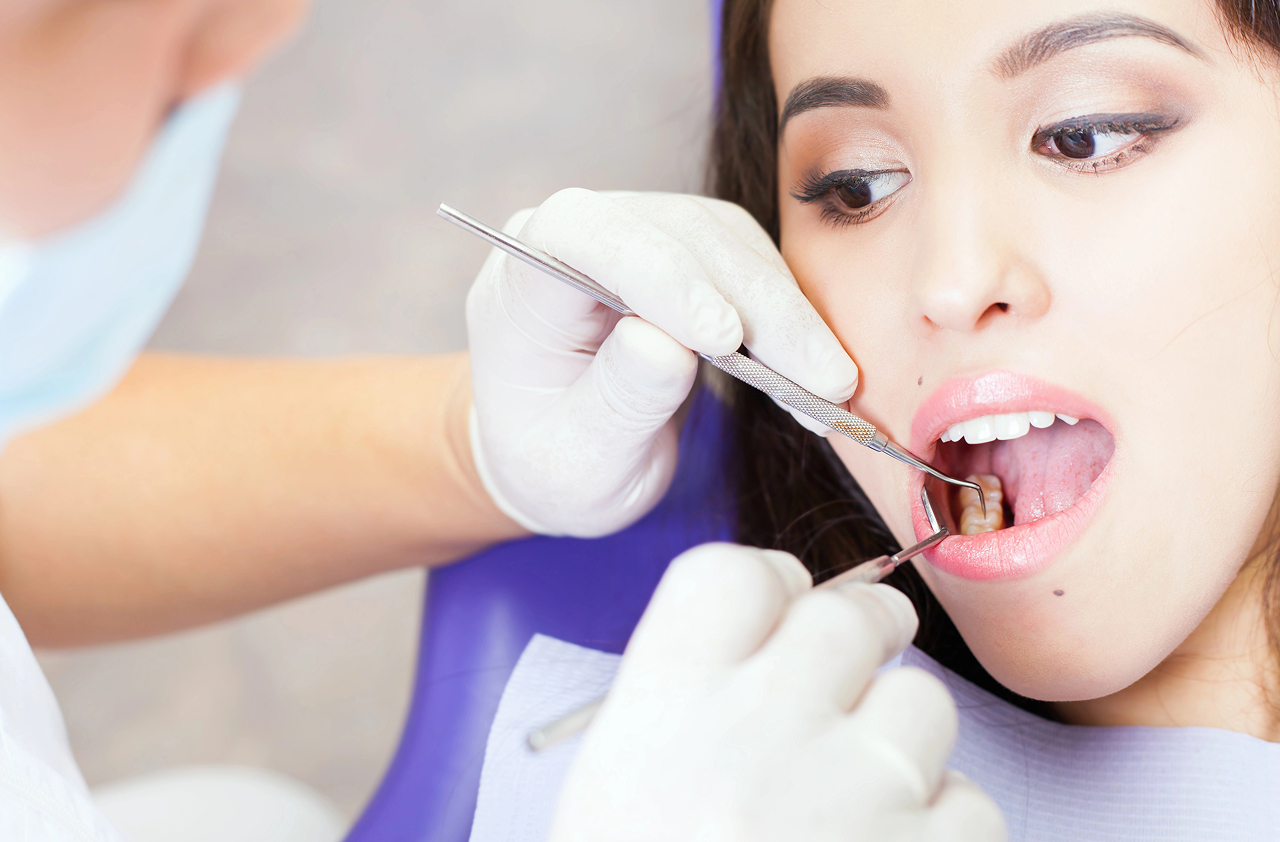
When a dental crown falls off, most people assume the problem is only about the missing crown itself—but what’s actually exposed is a living tooth that has often been protected for years. That sudden exposure can reveal hidden weaknesses, shifts in bite pressure, or underlying decay that was previously sealed away. Even without pain, the tooth is suddenly more vulnerable to change. What happens next depends less on the crown and more on what the tooth experiences in the hours and days that follow.
What Happens Immediately When a Dental Crown Falls Off?
When a dental crown comes off, the most immediate change is not always pain, but exposure. The underlying tooth is often shaped differently than a natural tooth, which can make it feel sensitive to air, temperature, or pressure right away. Some people notice a rough or uneven surface, while others feel almost nothing at first, which can be misleading. The tooth may also react differently when biting, even if it does not hurt, because the protective layer is suddenly gone. In some cases, the inside structure of the tooth has been stable for years under the crown, so sudden exposure can create a temporary “heightened awareness” of that area in the mouth that wasn’t there before.
Why Dental Crowns Fall Off in the First Place
Dental crowns usually do not fall off suddenly without reason; it is often the result of gradual changes that go unnoticed. One overlooked cause is the slow breakdown of the cement layer, which can weaken over time due to moisture, chewing forces, or minor shifts in bite alignment. Another factor is subtle tooth changes underneath the crown, such as new decay or structural wear that reduces the grip needed to hold it in place. Even habits like clenching or grinding can create tiny repeated stresses that loosen the bond without causing immediate pain. In many cases, the process is quiet, meaning the crown feels fine right up until the moment it releases.
What to Do Immediately When a Crown Comes Off
When a dental crown falls off, the first few actions you take can influence how easily it can be restored and how protected the underlying tooth remains. The goal is not to fix it yourself permanently, but to reduce risk until professional care is available.
- Locate and gently retrieve the crown
Pick it up carefully and avoid scrubbing it or using harsh cleaners. The inner surface is designed for a precise fit, and even small scratches or residue removal mistakes can affect how well it can be reattached. - Inspect the exposed tooth without probing it
It is natural to look or gently feel the area, but avoid pressing or testing the tooth. The underlying structure may be more sensitive than expected, even if there is no pain. - Avoid chewing on that side of the mouth
This is one of the most important steps. The exposed tooth may not be designed to handle direct biting forces, and even soft foods can create pressure that changes how the tooth responds later. - Rinse gently with warm water
Keep the area clean without using aggressive mouth rinses or alcohol-based products. The goal is to remove debris without irritating the exposed surface. - Store the crown safely in a clean container
A small container or sealed bag helps prevent contamination or accidental damage. Some people lose crowns simply by wrapping them in tissue, which can lead to disposal by mistake. - Do not attempt to glue the crown back on
Over-the-counter adhesives can interfere with proper re-cementing and may trap bacteria between the tooth and crown if misused. - Pay attention to subtle changes in sensation
Even without pain, you may notice temperature sensitivity, a slight change in bite alignment, or an unusual feeling when your tongue touches the area. These details help the dentist understand what has changed beneath the crown. - Schedule a dental visit as soon as possible
Timing matters more than most people realize. The longer the tooth remains uncovered, the more it can shift, dry out, or become irritated by normal daily function.
Risks of Leaving a Crown Off Too Long
Leaving a dental crown off for too long can lead to changes that are not always obvious at first. The exposed tooth may begin to shift slightly, even within a short period, which can affect how the crown fits when it is replaced. Another overlooked risk is moisture changes in the tooth structure itself, which can make the area more sensitive or prone to irritation over time. Food particles and bacteria can also settle more easily on the exposed surface, increasing the chance of hidden decay forming under the edges. Even if there is no pain, the longer the tooth remains uncovered, the more likely small structural changes will make simple reattachment more difficult.
Preventing Future Crown Failures
Preventing a crown from falling off again often comes down to understanding how everyday forces interact with it over time. One overlooked factor is small bite imbalances that develop gradually, where certain teeth begin taking more pressure than others without you noticing. These uneven forces can slowly weaken the bond holding a crown in place. Another important habit is paying attention to grinding or clenching, especially during sleep, which can create repeated micro-stress on the restoration. Consistent cleaning along the gumline also matters, since buildup in that area can affect how securely the crown sits. Prevention is less about avoiding one big cause and more about reducing the small, repeated stresses that quietly add up.
When to Seek Emergency Dental Care
Emergency care becomes important not just when there is pain, but when the exposed tooth starts to behave differently in noticeable ways. A key sign is sudden or increasing sensitivity to air, temperature, or pressure that continues to worsen rather than stabilize. Another overlooked indicator is a change in how your bite feels, even if it seems minor, because this can suggest shifting forces on the exposed tooth. If the area looks darker, rougher, or begins to feel “different” when your tongue touches it, these subtle changes may point to underlying stress or early damage. Even without discomfort, a missing crown leaves the tooth in a vulnerable state that can change quickly, making timely care more important than symptoms alone suggest.
Conclusion
A dental crown falling off may seem like a simple inconvenience, but what matters most is the condition of the tooth left behind. Even when there is no pain, the exposed structure can begin to change in small but important ways that affect future treatment. Acting quickly helps preserve both comfort and long-term stability, while delay can make restoration more complex than it needs to be. Paying attention to subtle changes and seeking timely care gives the best chance of restoring function smoothly.
If your crown has fallen off or you have concerns about a dental restoration, visit us or call 505-888-2606 to schedule an appointment.